
Parterapi gives couples a safe, structured space to address emotional distance, differences in desire and long-held resentment before they harden into permanent silence. It works by helping both partners understand what lies beneath the distance, rather than simply treating the symptoms.
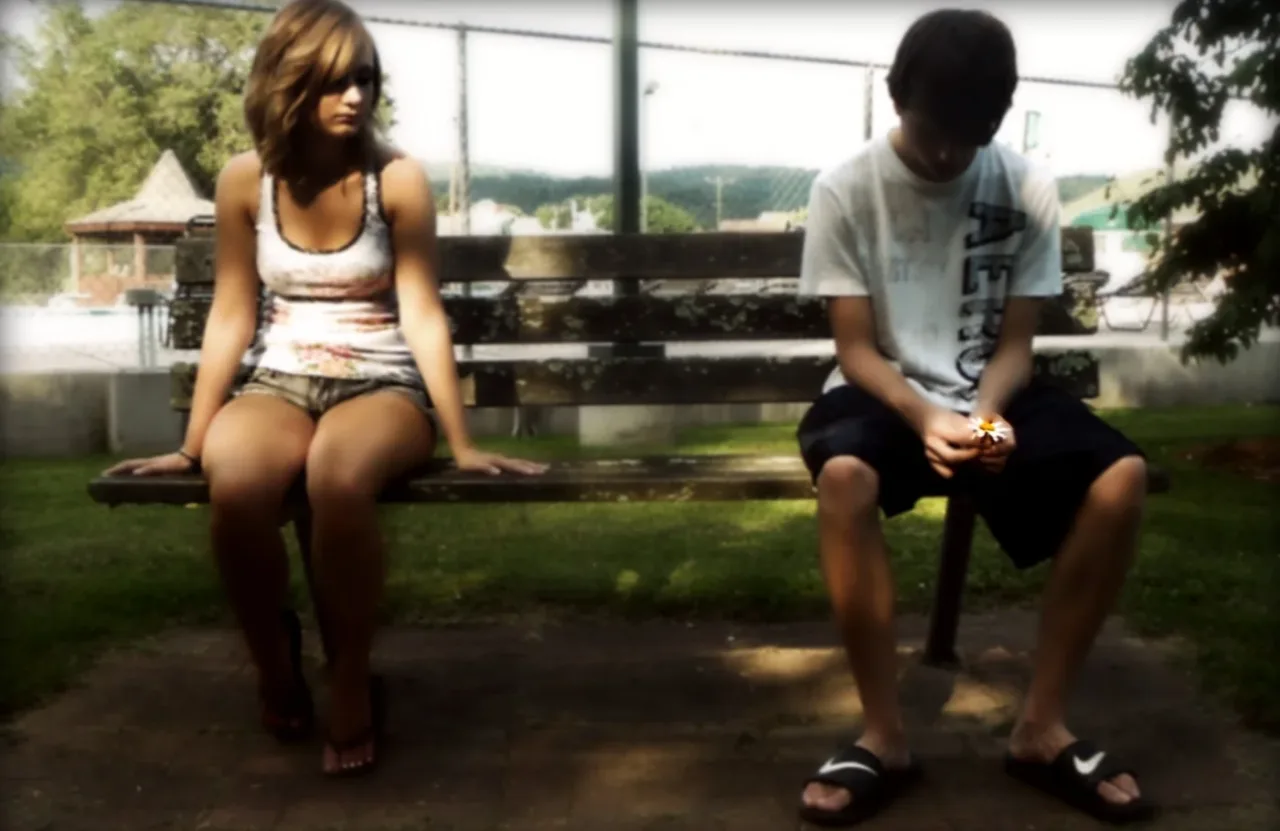
The Quiet Distance That Builds Between Partners
You are lying in bed, a careful twelve inches apart. Both of you are awake. Both of you know the other is awake. One of you is rehearsing a sentence that begins with Can we talk about and the other is hoping, quietly, that it never gets said. Eventually someone sighs, rolls over and murmurs Night. The moment passes, as it has for months. Nothing dramatic has happened. That is precisely what makes it so hard to explain, even to yourself.
Couples who live with long-term distance rarely have just one issue. Typically, three quietly feed one another. Emotional distance usually arrives first, not with a rupture but with a slow thinning-out. Conversations become logistical: who is collecting whom, what is for dinner, whether the boiler has been serviced. You still function well as a team, but you have stopped being curious about each other.
Sexual mismatch often follows. One partner may want more closeness or more frequent intimacy; the other may feel pressured, tired or simply disconnected. Each interprets the other’s position personally. The one who wants more feels rejected. The one who wants less feels pursued and inadequate. Over time, both begin avoiding even affectionate touch, in case it is taken as a signal or a demand.
Unaddressed resentment sits underneath it all. It is built from small, unspoken things: the night you needed support and did not receive it, the apology that never quite came, the sense of carrying more than your share. Because these hurts were never voiced, they did not disappear. They settled into the relationship like damp in a wall.
Here is the cruel part: each problem makes the others worse. Resentment dampens desire. Lack of intimacy deepens the distance. Distance makes it harder to raise the resentment. The loop sustains itself.
Why Fixing Only the Visible Fight Rarely Lasts
Most couples try to solve the visible problem. They schedule date nights, buy a book on desire or promise to communicate better. Sometimes this helps briefly. Often it does not, because the real obstacle is not a lack of effort. It is a lack of emotional safety.
The crucial change in parterapi is recognising that closeness, desire and honesty all depend on the same foundation: feeling safe enough to be truthful without being punished, dismissed or fixed. Until that safety returns, no technique will stick.
This reframes the work in three important ways. Distance is usually protection, not indifference. Many people withdraw because they fear conflict, failure or being overwhelmed, not because they have stopped caring. Desire differences are a conversation, not a verdict. A mismatch says nothing about whether someone is loved or attractive. It is information about two people’s needs, stress levels, histories and the state of the connection. Resentment is unspoken grief. Beneath anger there is nearly always a need that went unmet. Naming that need is far more productive than rehearsing the accusation.
A skilled therapist helps you slow these conversations down, speak about tender subjects without blame and listen without defending. This is often where couples feel something shift for the first time in years. Specialised parterapi also recognises that sexual and emotional issues belong together. A therapist who treats them separately may miss the way each one feeds the other.