
Doctors are changing how they treat high blood pressure after a major update from the American Heart Association and the American College of Cardiology, the first thorough revision of the adult guideline since 2017. The 2025 guidance still defines hypertension as 130 over 80 or higher, but it puts more weight on measuring blood pressure properly, on a patient’s overall cardiovascular risk, and on getting readings down where that is safe to do. For most adults the goal is now below 130 over 80, with encouragement to reach a systolic reading below 120 in people at higher risk, when it can be done without harm. The guideline notes exceptions, including people in institutional care and those with a limited life expectancy, for whom a tighter target may not be appropriate.
Start earlier, and measure it properly
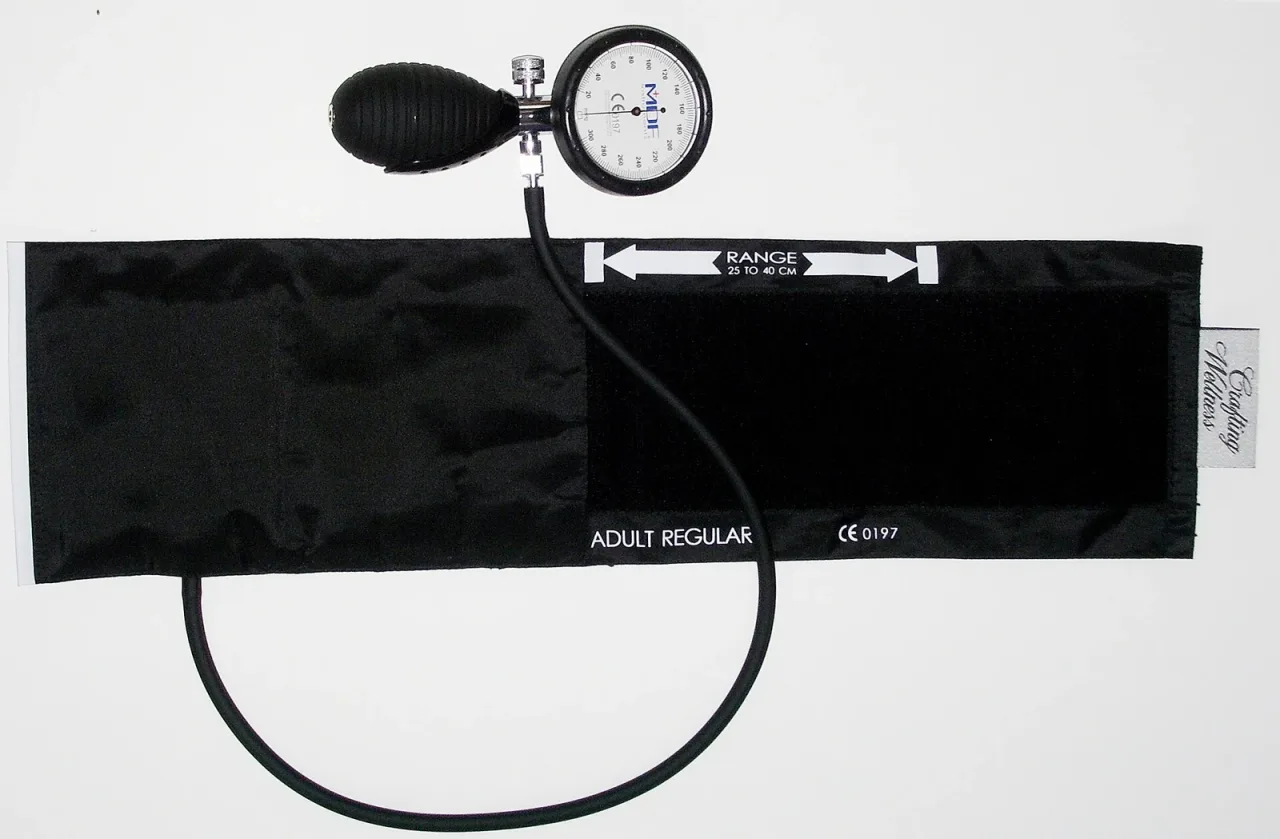
The update supports beginning treatment sooner and, when drugs are needed, moving to combination tablets earlier rather than adding one medicine at a time over many months. Risk is judged with a newer calculator, and the threshold at which medicine is recommended for many adults is lower than it was. For some people at lower near-term risk, the guidance still allows a few months of lifestyle change first, then medicine if the reading stays at or above 130 over 80. In every case it insists on good technique: the right cuff size, a patient who has had time to rest, and more than a single hurried reading. A one-off clinic number is not enough. Home or ambulatory monitoring often gives a truer picture of what the pressure actually does through the day.
Lifestyle first, then a clear personal target
High blood pressure remains one of the most common and most treatable risks for heart attack, stroke and kidney disease, and it rarely causes symptoms, so many people do not know they have it. Less salt, regular activity, a healthy weight and limited alcohol are still the foundation of care. Medication is added when risk is high or lifestyle change is not enough. Patients can usefully ask what their own target is, how the reading is being taken, and which steps, including diet and exercise, are meant to get them there safely. The guideline is not a reason to self-adjust treatment, and it is not a single number that fits every adult. It is a reason to have a more precise conversation with the clinician who knows the rest of the medical history, including other conditions that may change the safest target.