
Many people brush when they remember, floss inconsistently, and tell themselves they will see a dentist when life slows down. Then a little sensitivity appears, or the gums bleed when they spit, and the visit stays at the back of the mind. Most tooth decay and gum disease do not start with obvious pain. A cavity can begin quietly. Gum disease may look like mild bleeding when you floss, something easy to dismiss. By the time a tooth hurts, the work is often larger and more expensive than it would have been earlier. The familiar pattern is to skip one cleaning, then another. Plaque hardens into tartar, gums stay irritated, and bacteria move deeper. What could have been a cleaning or a small filling becomes a more involved procedure.
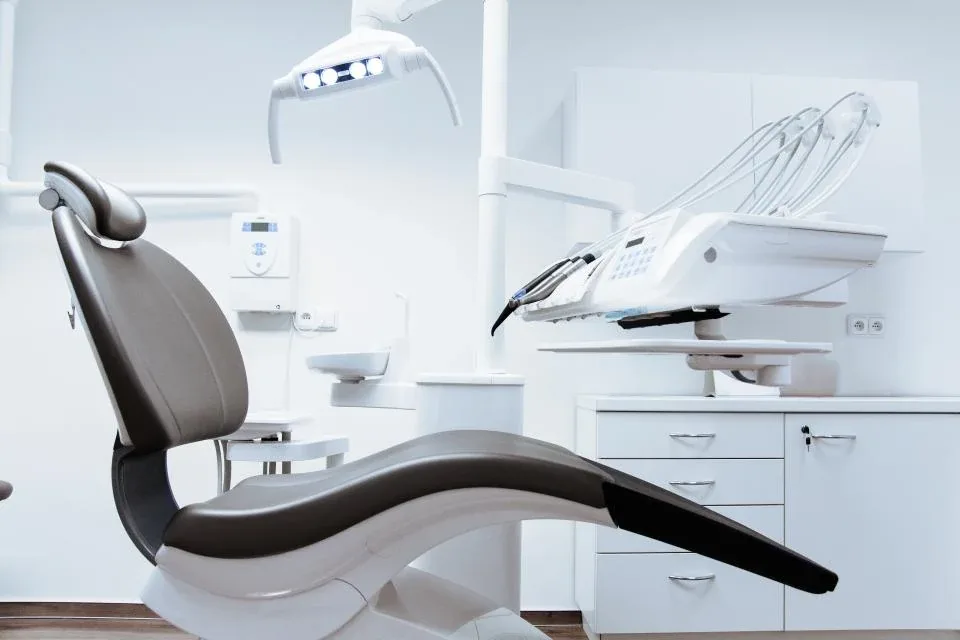
The Centers for Disease Control and Prevention notes that cavities and gum disease are among the most common health conditions, and that oral health affects eating, speaking, and quality of life. Routine exams and cleanings are basic health care, not cosmetic upkeep. A toothbrush cannot remove tartar once plaque has hardened, and it is easy to miss early decay between teeth or under older dental work. A professional cleaning deals with that buildup. Regular exams also track gum inflammation, pockets, recession, and bite changes. Early gingivitis can often be turned around. If it is ignored, it can progress toward periodontitis, which may involve bone loss and tooth loss. Guidance on adult oral health also ties mouth pain to wider effects, including nutrition, sleep, and daily comfort, which is why a problem that begins quietly can still disrupt work and eating.
Early signs, and why delay usually costs more
Bleeding when you floss, a tooth that reacts to cold, food that keeps catching in one spot, tender gums, or a new rough edge are all worth attention before serious pain starts. The cost of waiting is not only the invoice. Dental pain can mean missed work, poor sleep, and trouble eating. A filling postponed can become a root canal. Early gum inflammation may improve with cleaning and better home care; advanced disease often needs deeper treatment and longer maintenance. Home brushing and flossing still do the daily work, using a soft brush, fluoride toothpaste, and daily cleaning between the teeth. They are not a substitute for the screening and tartar removal you cannot do yourself. Steady care, rather than perfect care, is what protects teeth over years. This is not a reason to panic over a single skipped cleaning, but it is a reason not to wait for a crisis to find out what has been building quietly.